


Our Family Has Given A Voice To The Injured For Over 50 Combined Years
Newark Ceiling Collapse Lawyer
When a ceiling falls on a Newark tenant, the first instinct is often to call the landlord or file a complaint with the city. An injury claim works differently.
A collapse that injures you or a family member may support a personal injury claim against the landlord or other responsible parties. If liability insurance applies, the insurer may provide a defense and pay a covered settlement or judgment.
Our Newark ceiling collapse lawyer team at Goldstein & Goldstein, LLP handles these injury claims across Essex County, where older multi-family housing stock and winter freeze-thaw cycles produce a seasonal spike in collapses.
A first conversation with our office costs nothing and reveals whether an injury claim is on the table.
Why Does a Newark Ceiling Collapse Case Need a Personal Injury Firm?
A Newark ceiling collapse case needs a personal injury firm because the claim is a tort action for physical injuries, which involves different law and different procedure than a housing court matter. Housing court handles rent, evictions, and habitability withholding.
An injury lawsuit against the landlord for a ceiling collapse follows the personal injury statute and lives in Superior Court.
The two tracks may run at the same time and address different remedies. Trying to fold an injury claim into a housing complaint often surrenders leverage the injury statute would otherwise provide.
 Our firm has represented injured New Jersey residents since 1997 and takes premises injury cases across East Orange, Newark, Irvington, and surrounding Essex County towns.
Goldstein & Goldstein, LLP is a father-son partnership between Richard Goldstein and Michael J. Goldstein, backed by four attorneys and more than 50 combined years of trial work.
Habitability injury cases we regularly accept include:
- Bedroom and living-room ceiling collapses in older multi-family buildings
- Roof failures during heavy snow or ice loads that push water and debris into occupied units
- Plaster and drywall failures following long-standing leaks the landlord was on notice of
- Bathroom ceiling collapses caused by water damage from an upstairs unit
- Falling light fixtures, ceiling fans, or medicine cabinets that pulled loose from failing anchor points
Tenants injured by these failures often have limited or no health insurance, and imaging and physical therapy stall when there is no way to pay.
Our established treating-doctor network handles injured clients on a treatment lien, so the medical record needed to prove the case actually gets built.
What Does a Newark Landlord Owe Tenants Under New Jersey Law?
A Newark landlord owes tenants a legal duty to keep the rental property in habitable condition under New Jersey law. The New Jersey Supreme Court established the modern habitability duty in Marini v. Ireland in 1970, and it applies to nearly every residential lease in the state, whether written or verbal.
The habitability duty covers more than aesthetics. It includes structural elements like ceilings, roofs, and the interior surfaces bonded to framing behind them.
| Category of Duty | What the Landlord Must Do |
|---|---|
| Structural integrity | Keep roof, ceilings, walls, and framing in sound condition |
| Water intrusion | Repair leaks that risk damaging ceilings, floors, or supports |
| Reasonable inspection | Address defects the landlord knew or had reason to know about |
| Multi-family compliance | Meet New Jersey Hotel and Multiple Dwelling Law inspection requirements for buildings of three or more units |
The habitability standard does not make a landlord responsible for every problem in a rental property.
In an injury case, liability may depend on whether the landlord knew or reasonably should have known repairs were needed, had a reasonable opportunity to address the condition, and failed to do so.
Did You Have to Report the Damage Before the Ceiling Fell?
Reporting ceiling damage before a collapse can strengthen an injury claim, but a tenant may still have a case without making a formal complaint.
New Jersey premises liability law generally looks at whether the landlord knew or reasonably should have known about a dangerous condition and had an opportunity to address it. Written notice can help establish that knowledge.
Text messages to the landlord, emails to a property manager, maintenance requests submitted through a tenant portal, and complaints made to Newark housing officials or the New Jersey Bureau of Housing Inspection may all help show that the landlord was aware of an ongoing problem.
What Can Show That a Landlord Knew About the Problem?
A tenant’s complaint is not the only way to establish notice. The condition itself may provide evidence that a problem existed long enough for a landlord to discover it through reasonable inspection or maintenance.
For example, repeated water stains, visible sagging, cracked plaster, bubbling paint, prior patchwork, or recurring leaks may indicate that the ceiling was deteriorating before it fell. Maintenance records, inspection reports, photographs, and testimony from other tenants may also help show how long the condition existed.
Whether the landlord had actual or constructive notice depends on the facts of the property, the nature of the defect, and how long the warning signs were present.
What Evidence Preserves a Newark Ceiling Collapse Case?
 Evidence in a Newark ceiling collapse case starts disappearing within hours.
Landlords often send maintenance crews to repair the damage before an injury claim is even filed, which removes the physical proof that would otherwise show what caused the failure. Fast documentation protects the case.
Evidence that strengthens a ceiling collapse injury claim includes:
- Photographs and video of the collapsed material in place, taken from multiple angles before any cleanup
- The debris itself, saved in bags or boxes if physically possible, especially if plaster or drywall shows water staining
- Written communications with the landlord about prior water leaks, sagging, or ceiling problems in the same unit
- Records of complaints filed with Newark code enforcement or the state Bureau of Housing Inspection
- Photographs of surrounding conditions such as bulging paint, ceiling discoloration, or previous patch jobs
When physical evidence disappears, the case rests on tenant testimony and whatever the landlord chose to keep.
That imbalance almost always favors the property owner, so documenting the scene before the maintenance truck arrives protects the tenant’s ability to prove what happened.
What Injuries Come From Ceiling and Roof Collapses?
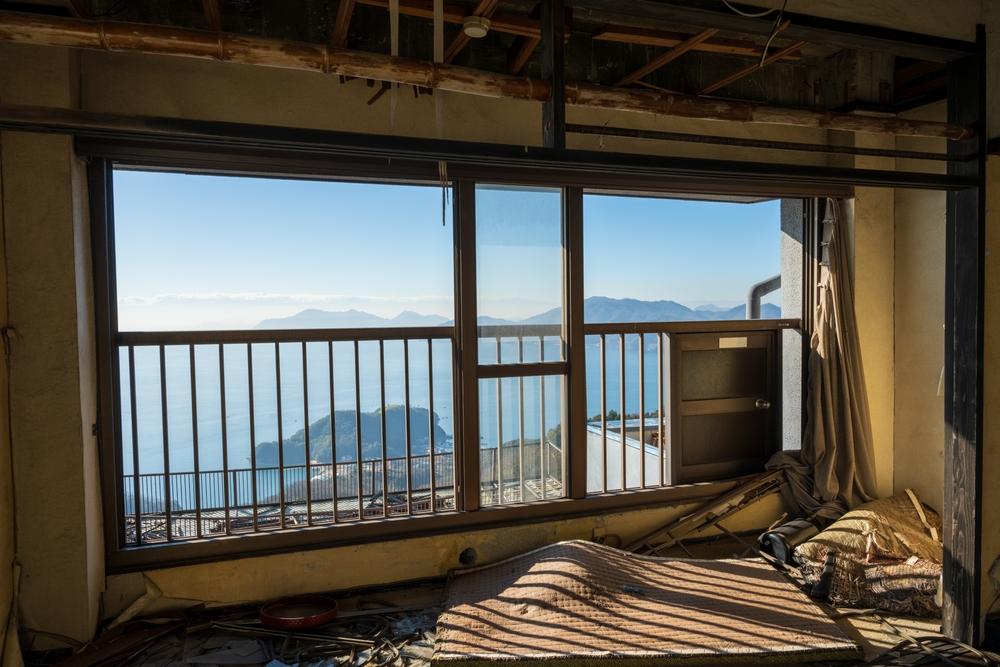 Injuries from ceiling and roof collapses often involve blunt trauma to the head, neck, back, and shoulders, along with lacerations from falling plaster, drywall, and framing.
The mass involved is substantial. Heavy fragments from a bathroom or bedroom ceiling produce injuries that require weeks or months of medical care.
Common ceiling collapse injuries our Newark clients experience include:
- Concussions and traumatic brain injuries from falling debris striking the head
- Cervical spine strain and herniated discs from the force of impact or a sudden protective posture
- Shoulder and rotator cuff injuries from raising arms to block falling material
- Lacerations and puncture wounds requiring sutures, especially when nails or screws come down with the plaster
- Fractures of the collarbone, forearm, or ribs in more severe collapses
Winter collapses often produce more severe injuries because roof failures during snow and ice season bring larger sections down at once.
Peak collapse cases in Essex County cluster from January through March, when freeze-thaw cycles have had months to work on weak structures.
What Insurance May Cover a Newark Rental Property Injury?
The type of insurance available in a Newark rental property injury claim depends on how the property is owned and insured.
Coverage may come from a landlord, dwelling, commercial liability, umbrella, property-management, or contractor policy, depending on the circumstances.
Possible sources of coverage in a Newark ceiling collapse case include:
- The property owner’s landlord or commercial liability policy, which is often the primary source when it applies
- Umbrella or excess coverage held by the property owner or ownership entity, if damages exceed the primary limits
- Property management company liability coverage, if a separate manager had responsibility for maintenance
- Contractor liability coverage, if recent roof or ceiling work was performed negligently by a hired contractor
Insurance carriers negotiate more seriously with firms prepared to file suit and try the case.
Michael J. Goldstein is Certified by the Supreme Court of New Jersey as a Civil Trial Attorney, a distinction held by a small share of New Jersey attorneys. That trial posture shapes how insurers approach settlement discussions from the first demand.
How Long Do You Have to File a Newark Ceiling Collapse Claim?
New Jersey gives injured tenants two years from the date of the collapse to file a personal injury lawsuit under N.J.S.A. 2A:14-2. Missing that window ends most cases regardless of how obvious the landlord’s fault appears.
Claims involving a public housing authority or a municipally owned building trigger the New Jersey Tort Claims Act, which requires written notice within 90 days. Late notice may be excused by court order in limited circumstances, but the safe assumption is that public entity cases move on the 90-day clock.
Two years feels generous until the practical timeline is mapped out. Medical treatment through maximum medical improvement, records collection, and pre-suit demand letters routinely take a year or more.
Retaining counsel within the first weeks after the collapse preserves the widest range of options.
FAQs for Newark Ceiling Collapse Lawyer
Is it a case if the landlord fixed the ceiling right after it fell?
Yes, a Newark ceiling collapse case may still proceed even if the landlord repaired the damage quickly. A quick repair does not prevent an injury claim from moving forward, particularly when photographs, witness accounts, inspection records, or other evidence document the condition before it was repaired.
Can the landlord evict me or raise my rent if I file an injury claim?
New Jersey law prohibits landlords from retaliating against tenants for certain protected activities, including efforts to enforce legal or lease rights and qualifying good-faith housing complaints. Whether an eviction, rent increase, or other action amounts to unlawful retaliation depends on the facts. A tenant who fears retaliation should document any adverse action carefully and raise it with counsel.
What if I already talked to the landlord’s insurance adjuster?
Yes, a Newark ceiling collapse case may still move forward if you spoke with the landlord’s insurance adjuster before hiring a lawyer, though recorded statements may complicate the claim. Adjusters often ask questions designed to minimize the injury or the landlord’s notice of the defect, and those recordings surface later in negotiations.
What if a family member or guest was hurt in my apartment?
Yes, visitors and guests injured by a ceiling collapse in a Newark rental unit may bring a claim against the landlord. New Jersey premises liability law extends the landlord’s duty of reasonable care to lawful visitors, not solely to the leaseholder.
Is the case worth pursuing if I have already moved out?
Yes, a Newark ceiling collapse case is worth pursuing even after moving out of the apartment. The injury and the landlord’s responsibility do not go away when the tenancy ends. Moving out may actually make the case easier because the retaliation fear disappears.
Talk to a Newark Ceiling Collapse Lawyer About What the Case Actually Looks Like

Richard Goldstein, Ceiling Collapse Lawyer
Most tenants hesitate to sue a landlord. They worry about staying in the unit, about being seen as opportunistic, or about facing an eviction fight they never asked for.
A ceiling collapse injury claim is a different animal. It targets a responsible party for physical harm, and New Jersey law protects tenants from retaliation for certain protected activities.
At Goldstein & Goldstein, LLP, one of our partners reviews every new habitability injury inquiry personally. Our office in East Orange has served injured Essex County residents since 1997.
We accept these cases on contingency, so you pay nothing unless we recover money for you, and intake is available in English, Spanish, and Haitian Creole.
Reach us through the online contact form to discuss what happened and what a claim might look like. The conversation is free, and the information you gain from it usually costs you nothing beyond the time it takes to describe the collapse.
Our Main East Orange Office
60 Evergreen Place
Suite 502
East Orange, NJ 07018
