

Our Family Has Given A Voice To The Injured For Over 50 Combined Years
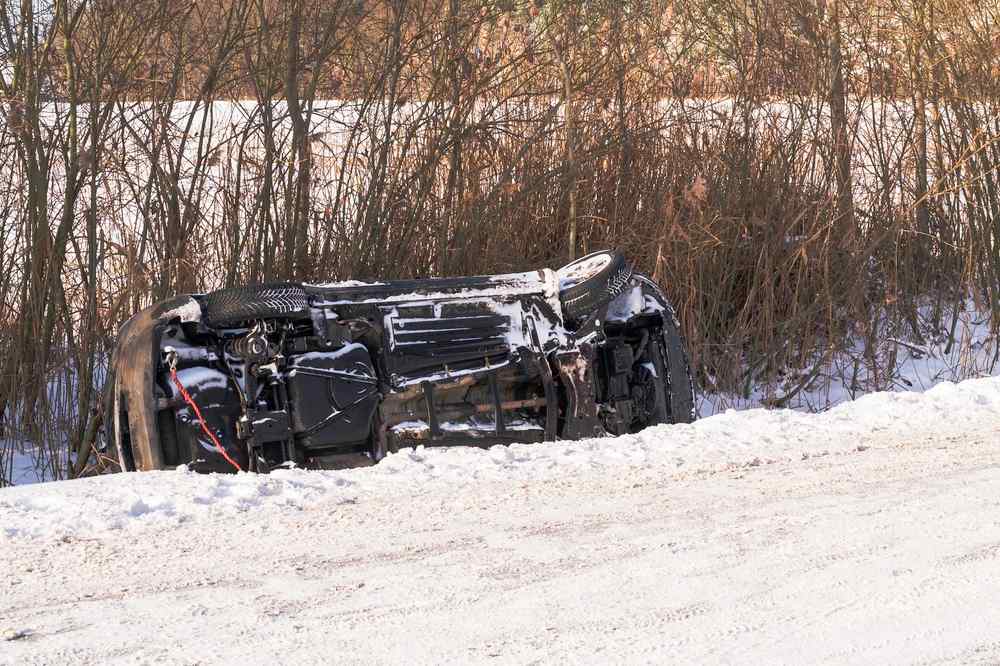
Quick Answer: What Should You Do After a Car Accident in the Snow in New Jersey?
After a snow-related crash in New Jersey, get to safety if you can, call police when anyone is hurt or damage tops $500, and photograph the road and vehicles before conditions change. Then get medical care and notify your insurer before giving a recorded statement to anyone else’s.
After a crash in snow or ice, the evidence that shows what happened can disappear quickly. Plowing, salting, and melting can erase skid marks, road conditions, and the snow left on the other driver’s car within hours.
That is why the steps you take soon after a winter crash in New Jersey matter. The sections below cover what to do at the scene, in the days that follow, and when a claim may involve more than an ordinary fender bender.
If you were hurt in a snow or ice crash in Newark, East Orange, or anywhere in Essex County, our family firm can review what happened at no cost.
Key Takeaways About Snow Accidents in New Jersey
- New Jersey law requires drivers to notify police quickly when a crash causes injury, death, or more than $500 in property damage.
- Photos of the road surface, the vehicles, and any snow or ice left on the other car can be lost within hours.
- Snow and ice generally do not excuse a driver who was going too fast or following too closely for the conditions.
- PIP coverage generally pays medical bills first after a New Jersey car crash, regardless of who caused it.
- Claims involving a public plow or a public road follow special rules, including a 90-day written notice requirement.
What Should You Do at the Scene of a Snow Accident?
 At the scene of a snow accident in New Jersey, safety comes first, and documentation comes a close second. If you are able to move and it is safe to do so, these steps protect both your health and a future claim.
- Turn on hazard lights and, if the car is drivable and the crash is minor, move out of the travel lane when it is safe.
- Check everyone for injuries and call 911 if anyone is hurt or the vehicles cannot be moved.
- Photograph the road surface, tire tracks, nearby snowbanks, and any snow or ice still on the other vehicle.
- Exchange names, license numbers, insurance details, and plate numbers with every driver involved.
- Ask witnesses for their contact information, especially drivers who stopped behind you.
Avoid discussing fault at the scene. Statements made while shaken and cold can be repeated later in ways that do not reflect what actually happened.
Staying Safe on a Snowy Shoulder
A snowy shoulder can be dangerous, especially when approaching drivers are struggling to stop on icy roads. If staying in the car is safer than standing on an icy shoulder, it is reasonable to wait there with your seat belt on until help arrives.
Do You Have to Report a Snow Accident to Police in New Jersey?
New Jersey requires a driver to notify police by the quickest available means when a crash causes injury, death, or more than $500 in damage to any one person’s property, under N.J.S.A. 39:4-130. Most winter crashes involving body damage cross that threshold quickly.
The same statute generally requires a written report to the Motor Vehicle Commission within 10 days, using the state’s SR-1 crash form, unless a police officer files a report.
If police were too busy during a storm to come to the scene, filing the SR-1 yourself protects you from a reporting problem later.
Why a Police Report Helps a Winter Claim
An officer’s report can record road conditions, the vehicles’ positions, and statements made at the scene before anyone has time to reconsider them. Those details carry weight when an insurer later argues the crash was simply caused by the weather.
Who Is at Fault in a Snow Accident in New Jersey?
 Fault in a New Jersey snow accident generally depends on whether a driver acted reasonably for the conditions, not on the weather itself.
Drivers are expected to slow down, increase following distance, and keep their vehicles clear, so a crash on ice is often still the result of a driver’s choices.
Snow Left on the Other Car
New Jersey drivers have a duty to make reasonable efforts to remove snow and ice from their vehicles before driving, and the snow removal statute raises the fines when flying snow or ice injures someone.
Photos showing an uncleared roof or windshield can support a claim that the other driver was careless.
Sharing Fault on a Slippery Road
Insurers often argue that both drivers should have slowed down. Under New Jersey’s comparative negligence law, your compensation is reduced by your percentage of fault.
You generally cannot recover damages if you are more than 50% responsible for the crash. For example, a $100,000 claim with 20% shared fault would become $80,000.
Rear-End Crashes in the Snow
Rear-end collisions are common in winter, and the following driver is usually expected to leave enough room to stop on a slick road. Ice may explain why a car slid, but it rarely explains why the driver behind was too close to react.
When a Plow or the Road Itself Played a Role
Claims involving a public plow or the way a road was plowed or salted face strong immunities, which New Jersey’s Supreme Court recognized in Rochinsky v. State. Those claims also require written notice to the public entity, generally within 90 days, so they need attention early.
What Should You Do in the Days After a Winter Crash?
Taking these steps after a winter crash can help protect your health and your insurance claim.
- Get a medical evaluation promptly, even if your pain seems minor.
- Open a PIP claim with your auto insurer.
- Keep your medical bills, appointment records, and documentation of missed work.
- Save your crash photos, insurance information, and police report number.
- Avoid giving a recorded statement to the other driver’s insurer before you understand your claim.
If your car is badly damaged, ask that it be kept rather than scrapped until any dispute about the crash is settled, because the vehicle itself can be evidence.
Tracking Symptoms That Appear Later
Neck and back pain, headaches, and trouble concentrating sometimes surface a day or more after a winter crash. Writing down when each symptom started, and telling your doctor about it, helps connect the injury to the crash if an insurer later questions it.
What Should You Avoid After a Snow Accident?
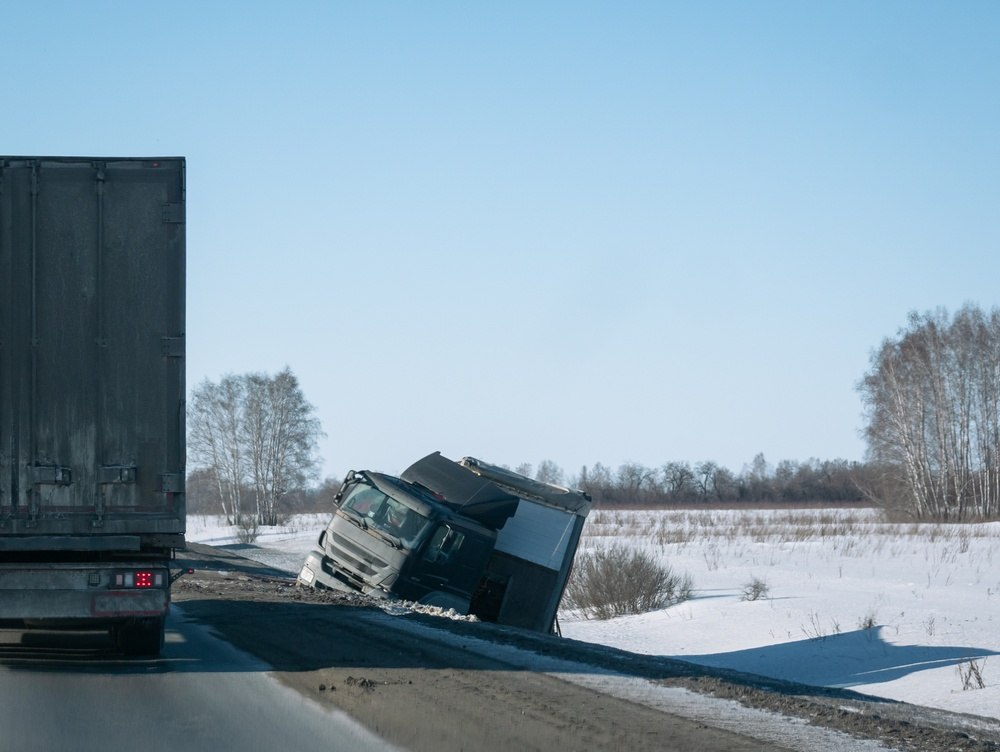 Certain mistakes after a snow accident can hurt your insurance claim or make it harder to recover compensation.
- Leaving the scene of a crash involving injury or significant damage before police are notified.
- Posting photos or comments about the crash on social media while a claim is open.
- Signing a release or accepting a quick payment before the full extent of an injury is known.
- Assuming the weather means no one is responsible.
Avoiding these mistakes can help protect your rights while you recover from your injuries and work through the insurance claims process.
How Does Insurance Work After a Snow Accident?
After a New Jersey snow accident, your PIP coverage generally pays medical expenses first, while other insurance policies may cover vehicle damage and additional losses. The state’s auto insurance buyer’s guide explains each coverage in more detail.
| Coverage | What it generally does after a winter crash |
|---|---|
| PIP | Pays your medical expenses first, regardless of fault, up to your selected limits |
| The other driver’s liability coverage | Covers losses beyond PIP when the other driver was at fault, up to its limits |
| Uninsured or underinsured motorist coverage | May help when the at-fault driver had no insurance, too little, or fled |
| Collision coverage | Repairs your car regardless of fault, subject to your deductible, if you carry it |
The lawsuit option on your own policy can also affect whether you can recover for pain and other non-economic losses, which makes documenting the full extent of an injury important from the start.
Dealing With a Rental Car or Repairs
If the other driver was at fault, their property damage coverage generally pays for repairs and a rental, while your own collision coverage, if you carry it, can repair the car sooner and seek repayment later. Keeping repair estimates and rental receipts makes either route smoother.
When Should You Talk to a Lawyer About a Snow Accident?
A minor winter fender bender may be resolved through insurance without legal help. However, if you suffered injuries, the other driver disputes fault, or several vehicles were involved, an attorney can help you understand your options.
Legal guidance is especially important when a snow plow or government vehicle was involved because shorter deadlines and special liability rules may apply.
How Our Family Firm Approaches Winter Crash Claims
Since 1997, Goldstein & Goldstein, LLP has represented injured people throughout Newark, East Orange, and Essex County. Our father-and-son partners understand the challenges of winter accident claims, from disputed fault on icy roads to crashes involving multiple drivers and insurance companies.
Michael J. Goldstein is a New Jersey Supreme Court Certified Civil Trial Attorney. Our team investigates Newark car accidents and East Orange car accidents by reviewing police reports, vehicle damage, road conditions, and witness statements to determine who may be responsible.
FAQs About Snow Accidents in New Jersey
Can the other driver be ticketed for not clearing snow off their car?
A New Jersey driver can be fined for failing to make reasonable efforts to remove snow and ice from their vehicle, and the fines increase when flying snow or ice causes injury or damage. A ticket can also support an injury claim, though the claim still has to show how the violation caused the harm.
What if I slid into another car on ice?
A New Jersey driver who slides into another car on ice may be found at fault if the speed or following distance was not reasonable for the conditions. Your own PIP generally covers your medical bills regardless of fault, and your liability coverage generally responds to the other driver’s claim.
Do I need to report a minor snowstorm fender bender?
A New Jersey crash must be reported to police when it causes injury, death, or more than $500 in property damage to any one person. Many minor winter collisions exceed that amount once body and bumper repairs are estimated, so reporting is usually the safer choice.
What should I do if several cars were involved?
In a New Jersey multi-car winter crash, it helps to photograph every vehicle and collect information from each driver, because fault may be shared among several people. Each driver’s insurer may be involved, and the order in which claims are handled can matter.
How long do I have to file a lawsuit after a snow accident in New Jersey?
Most New Jersey car accident lawsuits, including those from snow and ice crashes, must be filed within two years of the crash. Claims against public entities require written notice much sooner, generally within 90 days.
Protect Your Winter Crash Claim From the First Day

Richard Goldstein, Car Accident Lawyer
What you do after a winter car accident in New Jersey can affect your ability to recover compensation. Photos of icy roads, vehicle damage, and other evidence can help establish fault, but conditions change quickly after a storm.
Claims involving government vehicles or dangerous public roads may also have short notice deadlines.
If you were injured in a snow or ice crash, Goldstein & Goldstein, LLP can help you understand your options and take steps to protect your claim.
We offer free consultations in English, Spanish, and Haitian Creole, with help available 24/7. Our firm works on a No Recovery, No Fee basis.
Contact us to tell us what happened and find out how we can help. Every case turns on its own facts, and this article is general information rather than legal advice for a specific situation.
