

Our Family Has Given A Voice To The Injured For Over 50 Combined Years
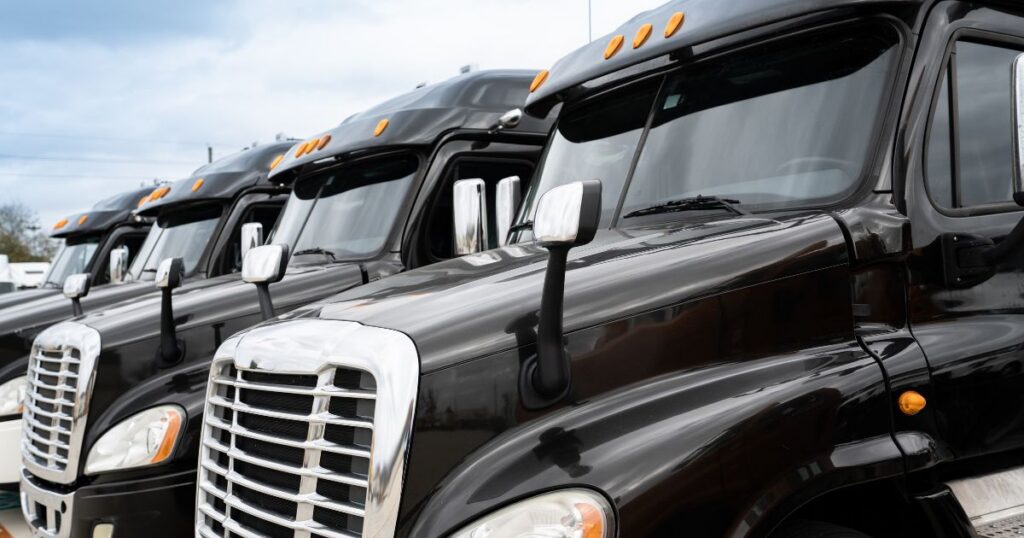
Sharing the road with a commercial truck is something most Irvington residents do every single day, whether they realize it or not. Springfield Avenue, Clinton Avenue, and Route 22 all carry steady flows of heavy freight traffic alongside passenger cars, cyclists, and pedestrians simply going about their routines. Knowing how large trucks behave, where their limitations lie, and how drivers and pedestrians can respond accordingly goes a long way toward preventing a tragic and avoidable truck crash.
What Makes Commercial Trucks So Dangerous on Irvington Roads?
Commercial trucks can weigh up to 80,000 pounds when fully loaded, which gives them stopping distances far greater than those of passenger vehicles. Because Irvington sits at a crossroads of several major routes connecting Newark and surrounding Essex County communities, heavy truck traffic is a daily reality on many local streets. That size and weight difference creates a severe imbalance during any collision, often with devastating consequences for the smaller vehicle.
Where Are the Most Dangerous Blind Spots on a Commercial Truck?
Large trucks have four main blind spots: directly in front of the cab, directly behind the trailer, and along both sides of the vehicle, where multiple car lengths can disappear from the driver’s view. A widely used safety guideline holds that if a driver cannot see the truck driver’s face in the side mirror, the truck driver cannot see that car. Staying out of these zones reduces the risk of being struck during a lane change or wide turn.
How Should Drivers Behave Around Trucks at Intersections?
Intersections along Springfield Avenue and Route 22 are particularly important places to use caution, because large trucks need extra room to complete wide turns. Squeezing alongside a truck at a red light puts a vehicle directly in the path of a swinging trailer, which can crush a car without the truck driver ever seeing it happen. Giving trucks ample space before and during turns is one of the simplest ways to avoid a preventable crash.
What Recent Data Reflects the Risk of Truck Crashes in New Jersey?
The Federal Motor Carrier Safety Administration (FMCSA) shares concerning statistics about truck crashes in our state. In 2025, there were over 4,770 large trucks and buses involved in fatal & non-fatal crashes. Out of those, there were 70 fatalities. Those numbers underscore the importance of defensive driving around these large vehicles.
Frequently Asked Questions
How Long Do I Have to File a Truck Accident Claim in New Jersey?
New Jersey allows two years from the date of a crash to file a personal injury lawsuit, under N.J.S.A. 2A:14-2. Missing that deadline typically means losing the right to seek compensation, regardless of how strong the case may be.
Can a Trucking Company Be Held Responsible for a Driver’s Actions?
Yes, trucking companies can face liability when their drivers cause crashes, particularly when negligent hiring, inadequate training, or poor vehicle maintenance played a role. Multiple parties along the supply chain may share responsibility, depending on the circumstances.
What if a Driver Was Partly at Fault for the Crash?
New Jersey follows a modified comparative negligence rule, meaning a person may still recover compensation as long as they were not more than 50 percent at fault. The total recovery is reduced in proportion to the assigned percentage of fault.
Our Skilled Irvington Truck Accident Lawyers at Goldstein & Goldstein, LLP Have the Local Experience Your Case Needs
Even the most conscientious drivers get into crashes. If you want to explore your legal options, contact our Irvington truck accident lawyers at Goldstein & Goldstein, LLP. Call 973-675-8277 or complete our online form today for a free consultation. Located in East Orange, NJ, we serve clients in the surrounding area.
