

Our Family Has Given A Voice To The Injured For Over 50 Combined Years
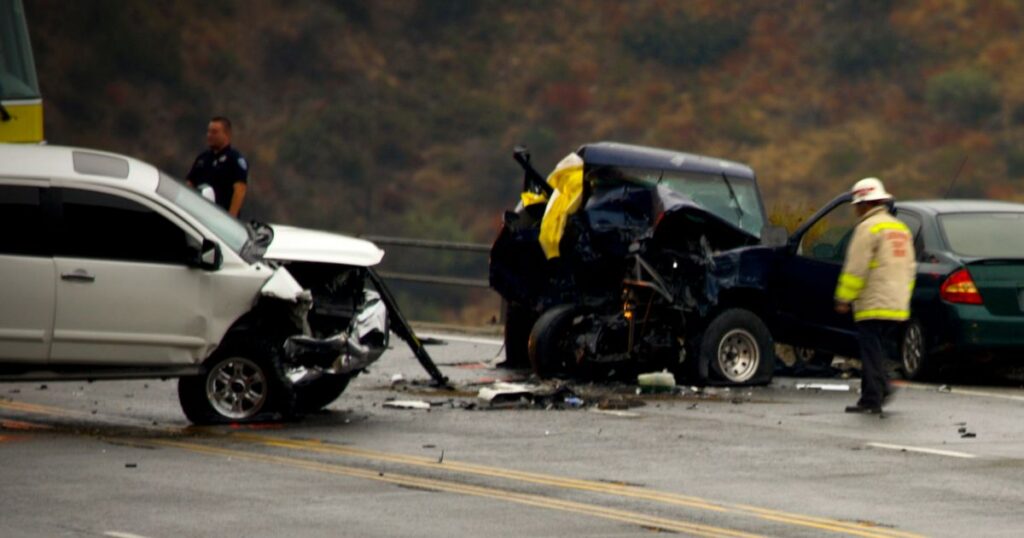
Interstate 280 cuts through Essex County in a densely developed corridor where interchanges are tightly spaced, and traffic rarely thins out. The stretch near East Orange sits close to connections with the NJ Turnpike, Route 21, the Garden State Parkway, and Interstate 78, which funnels heavy volume onto ramps not designed for today’s traffic levels. High speeds, frequent merging, and limited sight distance create conditions where accidents occur with troubling regularity.
Key Takeaways
- Interstate 280 near East Orange has several high-risk locations, including the Route 21 junction and the Ampere Parkway exit.
- New Jersey’s comparative negligence rule means shared fault can reduce or eliminate a claimant’s compensation.
- Documenting the scene thoroughly after a crash, including photos and witness information, can significantly strengthen a claim.
- Serious injuries may qualify for additional compensation beyond what New Jersey’s no-fault personal injury protection coverage provides.
What Types of Accidents Are Most Common on I-280?
Rear-end collisions are one of the most frequent crash types on I-280, as sudden slowdowns during rush hour leave little time for trailing drivers to react. Sideswipe accidents also often occur near merge points, where drivers change lanes without checking their blind spots. Also, with so many oversized trucks on I-280, devastating crashes involving those vehicles are not uncommon.
Are There Specific Locations on I-280 Near East Orange That See More Accidents?
The interchange near Springdale Avenue and the ramp connections approaching the Route 21 junction are among the more congested and crash-prone points along this corridor. The elevated sections of I-280 passing through East Orange also present challenges, as limited shoulders leave little room for disabled vehicles or emergency response. The area near the Harrison Avenue overpass sees frequent congestion as traffic backs up from the Newark border, and the westbound lanes approaching the Ampere Parkway exit have been the site of multiple recorded collisions due to abrupt lane shifts and reduced visibility.
How Does New Jersey’s Fault System Affect a Claim?
New Jersey follows a modified comparative negligence rule, which allows a claimant to recover compensation as long as they are not more than 50 percent at fault. If a partial fault is assigned, the total award is reduced by that percentage. Because insurance adjusters often attempt to shift blame to reduce payouts, thorough documentation of the scene is always advisable.
What Should Drivers Do Immediately After a Crash on I-280?
After a crash, those involved should move to a safe location if possible, call 911, and wait for responders to arrive. Photographing vehicle damage, injuries, road conditions, skid marks, and nearby signage preserves evidence that may matter later. Collecting witness contact information can also strengthen a claim, particularly when the other driver disputes the facts. If an ambulance is not needed, get a full medical evaluation as soon as possible after leaving the scene.
What Compensation May Be Available After an I-280 Accident?
Injured claimants may be eligible to recover compensation for medical expenses, lost wages, property damage, and pain and suffering. New Jersey’s no-fault system requires claimants to first file through their own personal injury protection coverage before pursuing a claim against the at-fault driver. Serious injuries meeting the state’s threshold may open the door to additional compensation through a liability claim.
Frequently Asked Questions
How Long Do I Have To File a Car Accident Lawsuit in New Jersey?
New Jersey’s statute of limitations for car accident claims is generally two years from the date of the crash. Filing after that deadline typically bars a claimant from recovering any compensation.
Does New Jersey Require Drivers To Carry Car Insurance?
Yes, New Jersey law requires all drivers to carry minimum auto insurance coverage, including personal injury protection. Driving without insurance can result in fines, license suspension, and other penalties.
What if the At-Fault Driver Was Uninsured?
New Jersey drivers may purchase uninsured motorist coverage, which can provide compensation when the at-fault driver has no insurance. Our legal team can identify all available sources of recovery in those situations.
Injured In a Crash on I-280? Our Trusted East Orange Car Accident Lawyers at Goldstein & Goldstein, LLP Are Here To Help
If you were injured in a crash on Interstate 280, contact our East Orange car accident lawyers at Goldstein & Goldstein, LLP. Call 973-675-8277 or complete our online form today for a free consultation. Located in East Orange, NJ, we serve clients in the surrounding area.
