

Our Family Has Given A Voice To The Injured For Over 50 Combined Years
The New Jersey Department of Environmental Protection reports that our state receives significant annual rainfall, contributing to slippery and hazardous conditions throughout the warmer months. Summer storms, heavy rain, humidity, and pooling water can quickly create dangerous surfaces in Newark. Sidewalks, parking lots, outdoor dining areas, and storefront entrances often become hazardous after rain, raising questions about who may be responsible when someone is injured on public or private property.
Key Takeaways
- Property owners have a duty to address weather-related hazards within a reasonable timeframe.
- Responsibility often depends on maintenance efforts, drainage conditions, and how long a dangerous condition has existed.
- Rain and summer weather do not automatically remove liability when reasonable care was not taken to address known risks.
Who Is Responsible for Weather-Related Slip and Fall Accidents?
Responsibility generally depends on where the slip and fall occurred and how the property was maintained at the time of the accident. Although summer weather can create slippery conditions, property owners may still be expected to take reasonable steps to reduce hazards. Because heavy rainstorms and wet conditions are common in Newark, courts often review whether reasonable maintenance efforts were made to keep walkways, entrances, and parking areas safe.
How Does Summer Weather Affect Property Owner Responsibility?
Summer weather does not automatically remove responsibility from property owners, although it may affect how liability is evaluated. Rain and humidity cannot be controlled, but the response to those conditions is often closely examined. Property owners are generally expected to address known hazards such as pooled water, slippery entryways, damaged pavement, or poor drainage conditions that increase the risk of falls.
What Role Does Timing Play in These Cases?
Timing is often a key factor in determining responsibility after a slip and fall accident. Property owners are typically expected to address hazardous conditions within a reasonable period after becoming aware of them. Because standing water and slippery surfaces can remain dangerous long after a storm passes, the amount of time a condition existed before the accident is often carefully reviewed.
How Do Local Conditions in Newark Affect Slip and Fall Cases?
Urban areas such as Newark often experience heavy pedestrian traffic, especially during the summer months. Outdoor shopping areas, restaurants, transit stops, and parking facilities may see increased foot traffic during periods of rain and high humidity. Because these areas are used frequently, property owners may be expected to monitor conditions more closely and respond to hazards promptly.
What Evidence Is Important in These Cases?
Important evidence may include photographs of the area, weather reports, surveillance footage, and maintenance records showing inspection or cleanup efforts. Witness statements can also help describe conditions at the time of the fall, along with the injured person’s medical records and documentation of the injuries.
How Does Responsibility Connect to Negligence?
A property owner can be held responsible for injuries when they knew about a dangerous condition and failed to correct it within a reasonable amount of time. For example, if water repeatedly accumulates near a building entrance after rainstorms, the owner may be expected to take steps to reduce the hazard. If someone is injured and the matter proceeds to court, a judge or jury will often consider whether a reasonable property owner would have done more to prevent the accident.
Frequently Asked Questions
What if It Was Still Raining During the Fall?
If heavy rain or storms were ongoing at the time of the accident, responsibility may be evaluated differently because conditions were still developing. Courts often consider whether it was reasonable to expect immediate action under the circumstances.
Does Location in Newark Change How These Cases Are Reviewed?
Yes. High-traffic locations such as shopping centers, apartment complexes, transit areas, and commercial properties may require more frequent monitoring and maintenance. Courts often consider how quickly hazards should have been identified and addressed in busy areas.
Can Businesses Be Responsible for Slippery Floors Inside a Building?
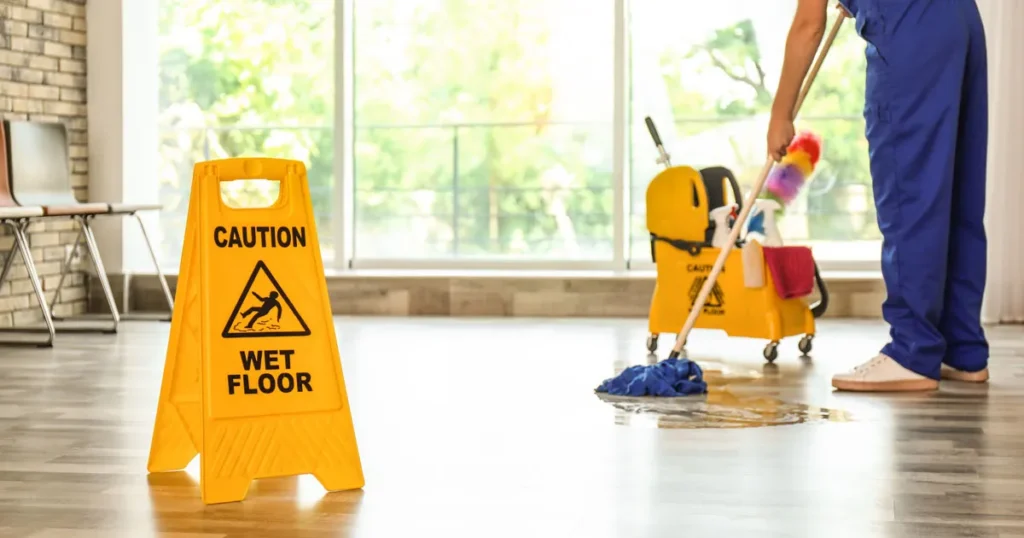
Yes. Businesses and property owners may be responsible when water from rain is tracked indoors and creates dangerous walking conditions. During summer storms, entrances, lobbies, and tiled floors can quickly become slippery if warning signs, floor mats, or cleanup efforts are not used to reduce the risk of falls.
Newark Slip and Fall Lawyers at Goldstein & Goldstein, LLP, Will Help You Pursue a Weather-Related Claim
To discuss potential legal options after a weather-related slip and fall accident, contact the Newark slip and fall lawyers at Goldstein & Goldstein, LLP. Our experienced legal team will investigate your accident and fight to secure full and fair compensation. Call us at 973-675-8277 or contact us online to schedule a free consultation. Located in East Orange, NJ, we serve clients throughout the state.
