

Our Family Has Given A Voice To The Injured For Over 50 Combined Years
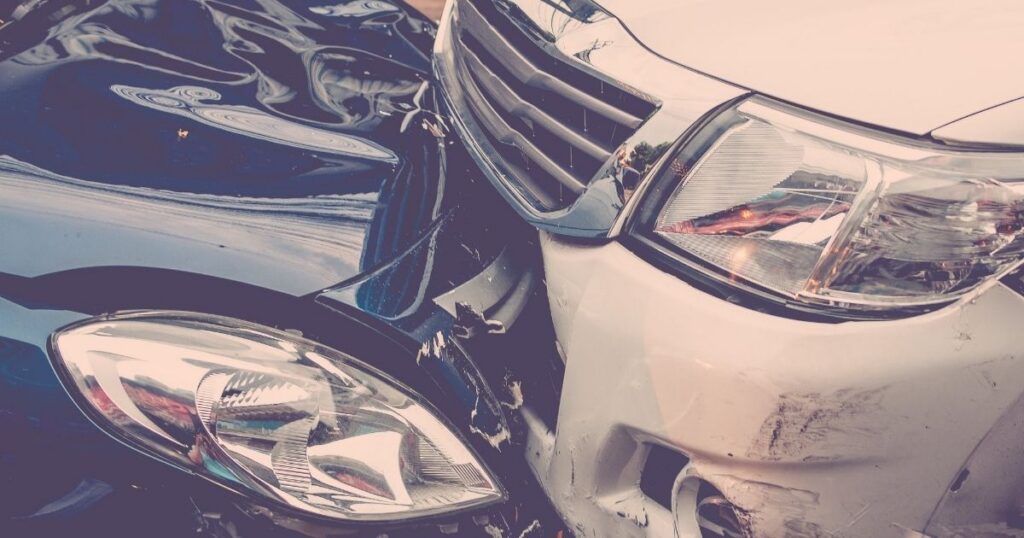
Fault after a New Jersey car accident is determined using evidence such as police reports, traffic laws, witness statements, and physical evidence from the scene. Although New Jersey is a “no-fault state” for insurance purposes, fault still plays a critical role in accidents resulting in severe injuries or damages that exceed coverage limits.
In New Jersey, your personal injury protection (PIP) coverage pays for your medical expenses regardless of who caused the crash. However, fault becomes important when injuries meet the legal threshold for a lawsuit, medical bills exceed PIP limits, or you are seeking compensation for pain and suffering or disputed property damage.
What Evidence Is Used to Determine Fault After a Car Accident?
Several types of evidence are used to establish liability after a car accident, such as the following:
- Police reports: Officers document the scene, take statements, and may note who appears to be at fault or issue citations.
- Type of collision: Certain crashes suggest fault, such as rear-end collisions or left-turn accidents.
- Witness statements: Eyewitnesses can provide neutral, firsthand accounts of how the accident occurred.
- Photos and videos: Dashcam footage, surveillance video, and scene photos can show vehicle positions, road conditions, and traffic signals.
- Vehicle damage and inspections: The location and severity of damage can help reconstruct how the crash happened and whether mechanical issues played a role.
- Expert analysis: An accident reconstruction expert can evaluate skid marks, impact points, and vehicle data to determine how the collision occurred.
How Do Traffic Laws Affect Fault?
Fault is often tied to whether a driver violated New Jersey traffic laws. When a driver breaks a law and causes a crash, that violation provides strong evidence of negligence and can be used to support your claim. Common examples include:
- Distracted or impaired driving: Texting or using other devices or driving under the influence can significantly impact liability.
- Failure to yield: Turning left, merging, or entering traffic without yielding the right of way often places liability on that driver.
- Following too closely: Drivers are required to maintain a safe stopping distance. Rear-end collisions are strong indicators of fault.
- Running red lights or stop signs: Violations at intersections frequently establish clear fault.
- Speeding: Driving too fast for conditions reduces reaction time and increases crash severity.
In many cases, traffic citations, police observations, and other evidence tied to traffic violations help determine fault following an accident.
How Does Fault Affect Compensation in New Jersey?
New Jersey applies comparative negligence, which assigns a percentage of fault to all parties involved in a crash. You are still eligible to seek damages if you are less than 51% responsible for the accident; however, your compensation may be reduced based on your percentage of fault. If you are found to be more than 50% percent responsible, you are barred from recovering damages.
What Should I Do to Help Prove Fault After a Car Accident?
The steps you take after a crash can affect how fault is determined and how strong your claim is. To protect your case, you should:
- Call police, report the accident, and request a copy of the report
- Document the scene with photos or videos
- Exchange contact and insurance information with the other driver
- Gather witnesses’ contact information
- Seek medical care as soon as possible
- Avoid admitting fault or speaking to insurers without legal advice
- Keep all records of bills, repairs, and communications
- Consult an experienced East Orange car accident lawyer as soon as possible
Determining fault after a New Jersey car accident requires strong evidence, a clear understanding of traffic laws, and often a detailed investigation. When there are significant damages or liability is disputed, building a well-supported claim can directly impact your ability to recover full compensation.
Frequently Asked Questions
- How do insurance companies determine fault? Adjusters review reports, statements, photos, and vehicle damage to learn what happened and assign liability.
- Can faults change after the initial determination? Yes, with new evidence, such as video footage or expert analysis, fault determinations can be changed.
- What if the other driver denies fault? Fault can be found with additional evidence, such as accident reconstruction, surveillance footage, or further investigation by insurance companies or attorneys.
- What happens if fault cannot be clearly determined? Insurance companies may assign shared fault, deny claims, or investigate further before resolving the case.
- How long does it take to establish who was at fault? A few days to several weeks, depending on the accident circumstances, available evidence, and whether liability is disputed.
- Do I need a lawyer to prove fault in a car accident? No, but legal guidance can be helpful if fault is unclear, injuries are serious, or liability is disputed.
East Orange Car Accident Lawyers at Goldstein & Goldstein, LLP, Are Ready to Answer Your Questions
If you have been injured in a crash, speak with the East Orange car accident lawyers at Goldstein & Goldstein, LLP, to provide you with vigorous legal representation. Our experienced legal team is ready to explain the claims process and help you secure full and fair compensation. Call us at 973-675-8277 or contact us online to schedule a free consultation. Located in East Orange, NJ, we serve clients throughout the state.
